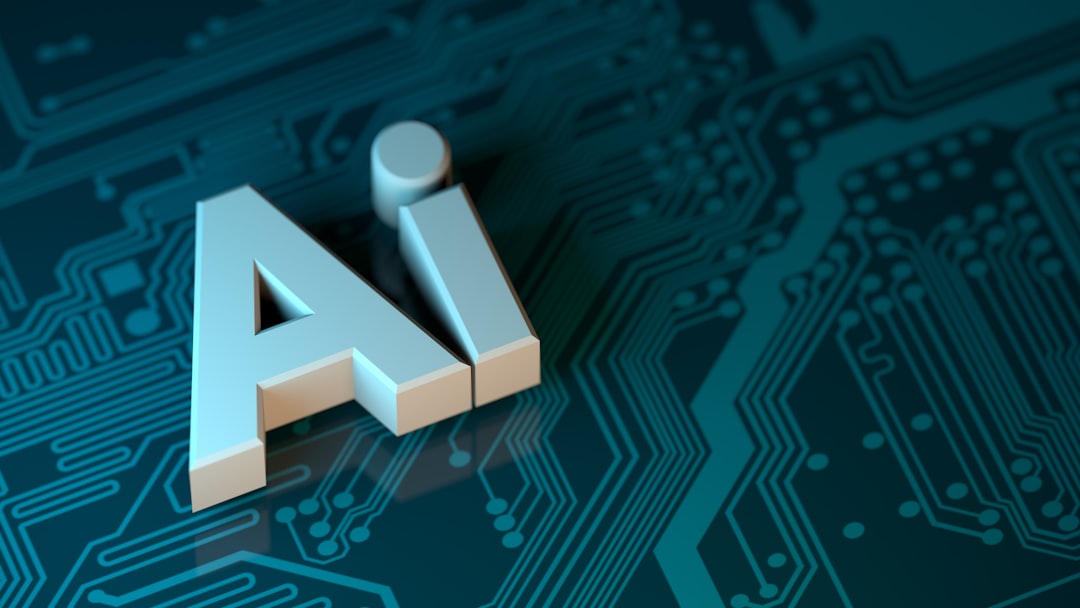
In the ever-evolving landscape of digital content, a new era has dawned. The advent of Artificial Intelligence (AI) has given birth to an extraordinary tool: the AI text generator. This cutting-edge technology has the potential to revolutionize the way we create, consume, and interact with content. Imagine being able to produce high-quality, engaging, and relevant text at the click of a button. Sounds like science fiction? Think again. With an AI text generator, the possibilities are endless, and the future of content creation has never looked brighter. In this comprehensive guide, we’ll delve into the world of AI text generators, exploring their capabilities, benefits, and applications.
Understanding AI Text Generators: The Basics
So, what exactly is an AI text generator? In simple terms, it’s a software tool that utilizes artificial intelligence and natural language processing (NLP) to generate human-like text. This technology is based on machine learning algorithms, which are trained on vast amounts of data to learn patterns, structures, and nuances of language. The result is a text generator that can produce coherent, context-specific, and often surprisingly good content. AI text generators can be used for a variety of purposes, including content creation, language translation, and even chatbot development.
One of the key benefits of AI text generators is their ability to save time and increase productivity. By automating the content creation process, businesses and individuals can focus on higher-level tasks, such as strategy, creativity, and innovation. Moreover, AI text generators can help to reduce the risk of writer’s block, providing a constant flow of ideas and inspiration. With the ability to generate high-quality content quickly and efficiently, the possibilities for applications are vast, ranging from blog posts and articles to social media posts, product descriptions, and even entire books.
Applications of AI Text Generators: Real-World Examples
The applications of AI text generators are diverse and multifaceted. For instance, content marketers can use these tools to generate high-quality blog posts, articles, and social media content, helping to drive engagement, increase brand awareness, and boost conversions. E-commerce businesses can leverage AI text generators to create product descriptions, product reviews, and customer testimonials, enhancing the overall shopping experience and building trust with their customers. Additionally, AI text generators can be used in education, helping students to generate ideas, outline essays, and even create entire research papers.
Another exciting application of AI text generators is in the field of language translation. By using AI-powered translation tools, businesses and individuals can break language barriers, communicating with global audiences and expanding their reach. This technology has the potential to revolutionize international trade, tourism, and cultural exchange, enabling people to connect and interact with each other in ways that were previously unimaginable. With the ability to generate high-quality, context-specific translations, AI text generators are poised to play a major role in shaping the future of global communication.
The Future of Content Creation: AI Text Generators and Beyond
As AI technology continues to evolve, we can expect to see even more advanced and sophisticated text generators. Future developments may include the integration of AI text generators with other technologies, such as voice assistants, virtual reality, and the Internet of Things (IoT). This could lead to a new era of immersive, interactive, and highly personalized content experiences. Moreover, the rise of AI text generators is likely to have a significant impact on the job market, with new opportunities emerging in fields such as AI development, content strategy, and digital marketing.
However, as with any new technology, there are also challenges and concerns surrounding the use of AI text generators. For instance, there is the risk of job displacement, as automated content creation tools potentially replace human writers and editors. Additionally, there are concerns about the quality, accuracy, and authenticity of AI-generated content, as well as the potential for bias and misinformation. To mitigate these risks, it’s essential to develop and implement robust guidelines, regulations, and best practices for the use of AI text generators, ensuring that this technology is used responsibly and for the greater good.
Overcoming the Challenges: Best Practices for AI Text Generators
To get the most out of AI text generators, it’s essential to understand their limitations and potential pitfalls. One of the key challenges is ensuring the quality and accuracy of generated content. To address this, it’s crucial to carefully evaluate and fine-tune the output of AI text generators, using human judgment and expertise to review and edit the content. Additionally, businesses and individuals should be aware of the potential risks of bias and misinformation, taking steps to mitigate these risks and ensure that AI-generated content is fair, balanced, and trustworthy.
Another important consideration is the need for transparency and disclosure. As AI-generated content becomes more prevalent, it’s essential to clearly label and identify content that has been created using AI text generators. This will help to maintain trust and credibility with audiences, avoiding potential confusion or deception. By being open and transparent about the use of AI text generators, businesses and individuals can build trust and establish a strong reputation, while also promoting a culture of accountability and responsibility.
Conclusion: Harnessing the Power of AI Text Generators
In conclusion, AI text generators are a powerful tool that has the potential to revolutionize the way we create, consume, and interact with content. With their ability to generate high-quality, engaging, and context-specific text, these tools can help businesses and individuals to save time, increase productivity, and enhance their online presence. However, as with any new technology, there are also challenges and concerns that need to be addressed. By understanding the capabilities, benefits, and limitations of AI text generators, and by implementing best practices and guidelines, we can harness the power of this technology to create a brighter, more exciting future for content creation and beyond.
The key takeaways from this comprehensive guide are:
- AI text generators have the potential to revolutionize content creation, saving time and increasing productivity.
- These tools can be used for a variety of purposes, including content creation, language translation, and chatbot development.
- The applications of AI text generators are diverse and multifaceted, ranging from content marketing and e-commerce to education and language translation.
- To get the most out of AI text generators, it’s essential to understand their limitations and potential pitfalls, and to implement best practices and guidelines for their use.
- The future of content creation is exciting and uncertain, with AI text generators poised to play a major role in shaping the future of digital content and global communication.