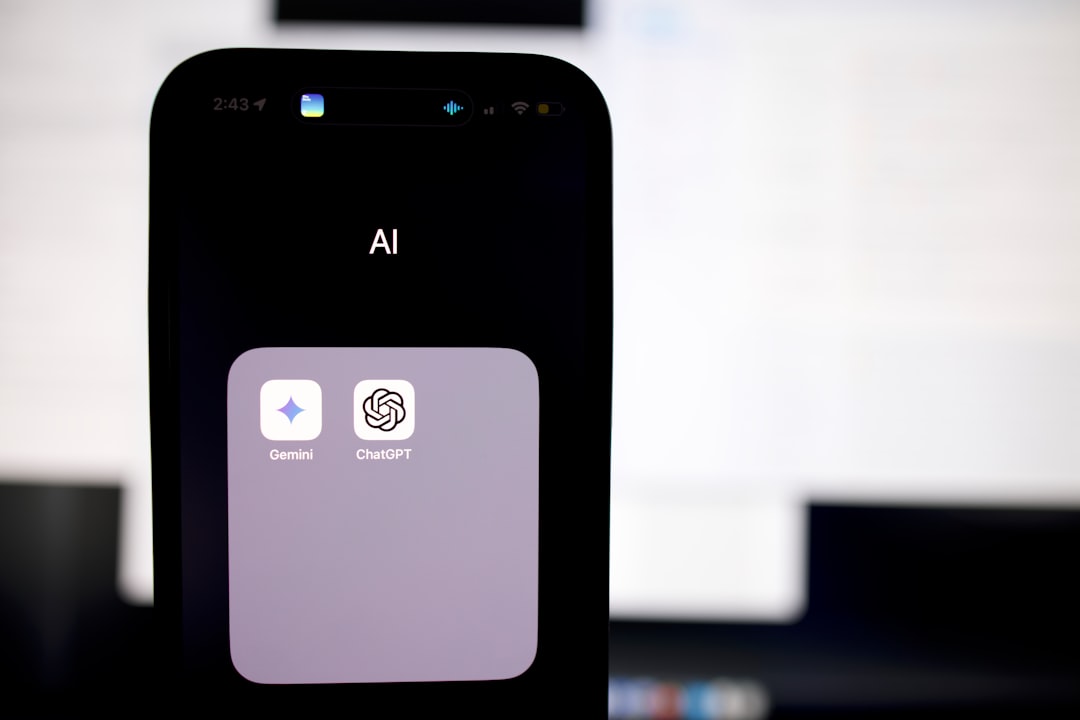
In the ever-evolving landscape of content creation, a groundbreaking technology has emerged to transform the way we produce and interact with text: AI text generator. This innovative tool has been making waves in the writing community, offering unprecedented possibilities for generating high-quality content with unprecedented speed and efficiency. But what exactly is an AI text generator, and how can it revolutionize your content creation strategy? In this comprehensive guide, we’ll delve into the world of AI-powered text generation, exploring its capabilities, benefits, and applications.
What is an AI Text Generator?
At its core, an AI text generator is a sophisticated software that utilizes artificial intelligence and machine learning algorithms to produce human-like text based on a given prompt, topic, or style. This technology is trained on vast amounts of text data, allowing it to learn patterns, structures, and nuances of language, and generate coherent, engaging, and often indistinguishable-from-human content. AI text generators can be fine-tuned for various purposes, such as content writing, copywriting, email marketing, or even creative writing. With the ability to generate text in multiple styles, tones, and formats, AI text generators have become an indispensable tool for content creators, marketers, and businesses seeking to streamline their content production.
How Does an AI Text Generator Work?
To understand the mechanics behind AI text generation, it’s essential to grasp the basics of natural language processing (NLP) and machine learning. AI text generators employ a range of techniques, including:
- Language Modeling: This involves training a model on a massive dataset of text to predict the next word or character in a sequence, given the context of the previous words or characters.
- Deep Learning: This subset of machine learning uses neural networks to analyze and generate text, enabling the model to learn complex patterns and relationships within language.
- Transfer Learning: This technique allows the model to leverage pre-trained language models and fine-tune them for specific tasks or domains, reducing the need for extensive training data.
- Content Creation: AI text generators can help content creators produce high-quality, engaging content at scale, freeing up time for more strategic and creative tasks.
- SEO Optimization: By generating optimized text with relevant keywords, AI text generators can improve a website’s search engine ranking and drive more organic traffic.
- Personalization: AI text generators can be used to create personalized content, such as product recommendations, email marketing campaigns, or customized blog posts, tailored to individual users’ preferences and interests.
- Language Translation: AI text generators can facilitate language translation, enabling businesses to reach a broader audience and expand their global presence.
- Content Localization: AI text generators can help businesses adapt their content to specific regions, cultures, or languages, ensuring that their message resonates with local audiences.
- Lack of Contextual Understanding: AI text generators may struggle to fully comprehend the nuances of human language, leading to occasional errors or inconsistencies.
- Dependence on Training Data: The quality and diversity of the training data can significantly impact the performance and accuracy of the AI text generator.
- Risk of Biases and Stereotypes: AI text generators may perpetuate existing biases and stereotypes present in the training data, which can have negative consequences.
- Multimodal Learning: Integrating multiple forms of data, such as images, audio, and video, to enhance the contextual understanding of AI text generators.
- Explainability and Transparency: Developing techniques to provide insights into the decision-making process of AI text generators, ensuring that the generated text is fair, accurate, and unbiased.
- Human-AI Collaboration: Fostering collaboration between humans and AI text generators to create more accurate, engaging, and high-quality content.
- AI text generators can help content creators produce high-quality, engaging content at scale.
- AI text generators can improve SEO optimization, personalization, and language translation.
- While AI text generators have limitations, future developments aim to improve contextual understanding, transparency, and accountability.
- Human-AI collaboration is essential for creating high-quality, accurate, and engaging content.
By combining these technologies, AI text generators can produce text that is not only coherent but also contextually relevant, engaging, and optimized for search engines. For instance, an AI text generator can be used to generate high-quality blog posts, articles, or social media content, complete with optimized headings, meta descriptions, and keywords.
Applications and Benefits of AI Text Generator
The potential applications of AI text generator are vast and varied, spanning multiple industries and use cases. Some of the most significant benefits and applications include:
Limitations and Future Developments
While AI text generators have made tremendous progress in recent years, there are still limitations and challenges to be addressed. Some of the key limitations include:
To overcome these limitations, researchers and developers are working on improving the contextual understanding, transparency, and accountability of AI text generators. Future developments may include:
Conclusion
In conclusion, AI text generators have revolutionized the world of content creation, offering unprecedented possibilities for generating high-quality, engaging, and optimized text at scale. By understanding the capabilities, benefits, and limitations of AI text generators, content creators, marketers, and businesses can harness the power of this technology to streamline their content production, improve their SEO, and drive more traffic and engagement. As the technology continues to evolve, we can expect to see even more exciting developments and applications of AI text generators. Key takeaways include:
By embracing the power of AI text generators, we can unlock new possibilities for content creation, marketing, and communication, and revolutionize the way we interact with text.